Charles County, MD
Home MenuHelp Stop Water Pollution!
Water pollution is defined as the contamination of water bodies, including lakes, rivers, oceans, aquifers and groundwater. Humans and wildlife depend on clean water to survive, it is essential to sustain life. Access to clean water is one of the largest global health risks. When water becomes unfit for drinking and recreation, human and wildlife populations suffer. Water pollution does not only affect people around the world, it affects our local communities. Sources of water pollution in Charles County include:
- Automotive Fluids, Oils, Grease, Industrial Waste, and Paint
- Yard Waste and Litter
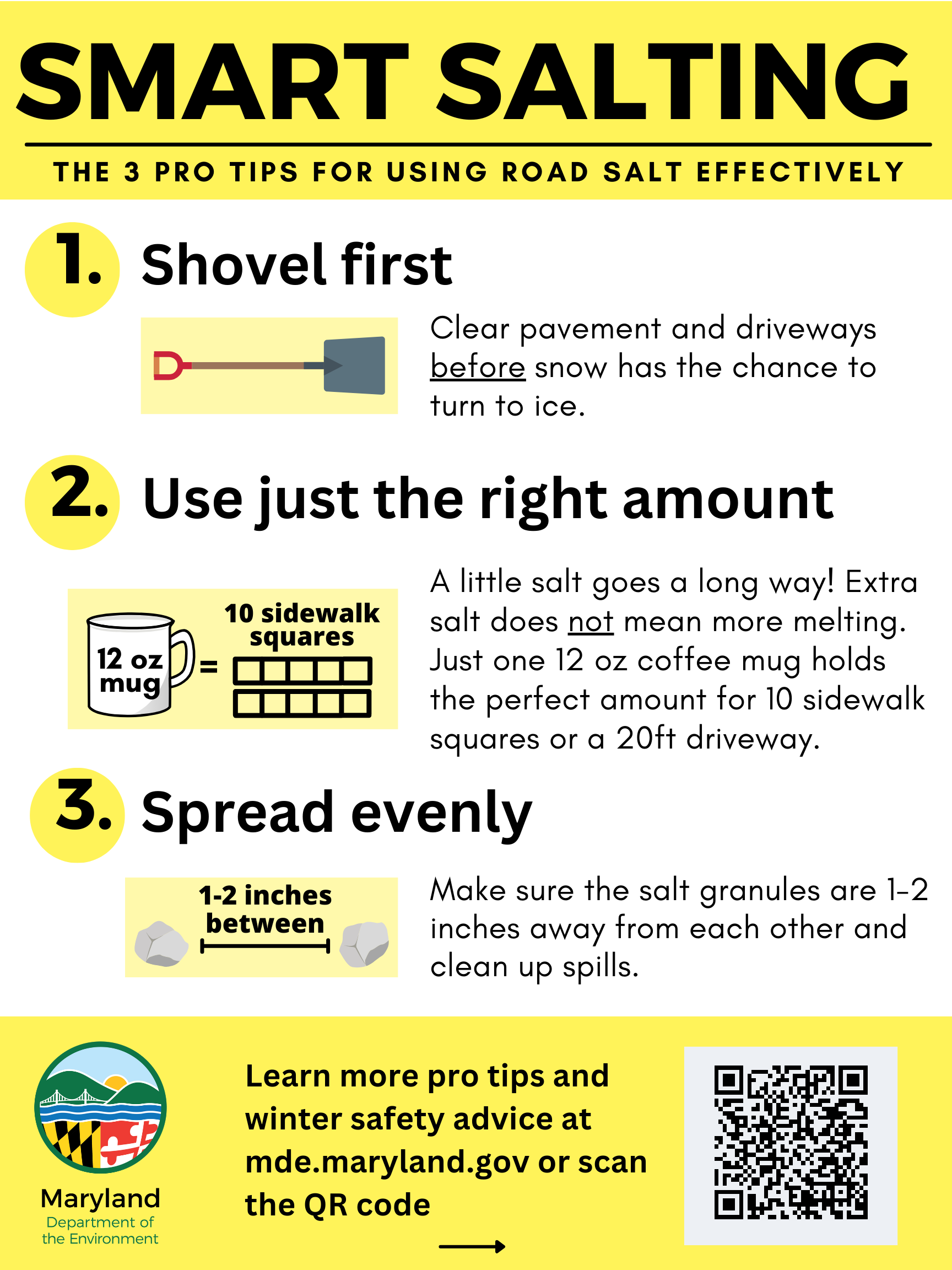
- Pesticides, Fertilizers, and Road Salt
- Pet Waste
- Leaking or Overflowing Sewage Pipes
Protecting water quality can be accomplished by everyone. Click on the areas below to find out how you can help.
Lawn Care and Landscape Management
Proper Car Care and Washing
Proper Disposal of Household Hazardous Waste
Proper Pet Waste Management
Use Less Winter Salt
Rain Barrels and Workshops
Rain Garden
Restaurants Pollution Prevention
Dumpster Maintenance
Storm Drain Stenciling/Marking Program
Pollution Prevention Documents